A beach day takes a real toll on the skin. Not in an abstract, worry-about-it-later kind of way — in a measurable, cumulative way that shows up over time as dryness, roughness, premature lines and a complexion that looks more weathered than it should.
Most people know to wear sunscreen. Fewer think about what to do after the water. The tightness, the dry patches, the occasional breakout that follows a weekend of surf- these are not random. They are predictable responses to specific stressors, and most of them are addressable with a simple ritual that takes less than five minutes.
This guide covers what saltwater, sun and wind actually do to the skin, how to recover from it properly and what to do before you hit the water to reduce the damage in the first place. Practical, not prescriptive. Built around how people who actually spend time at the beach live their lives.
Explore the natural face skincare range to find formulations suited to an active outdoor lifestyle.

What Saltwater Actually Does to Your Skin
Saltwater affects the skin through a straightforward mechanism: osmosis. The high salt concentration in seawater draws moisture out of the skin cells, reversing the direction water would normally move. Time in the ocean is essentially a dehydration event for the skin, regardless of how refreshing it feels in the moment.
Beyond moisture loss, salt residue left on the skin after leaving the water continues to draw hydration out as it dries. It also strips the skin's natural oil layer, the sebum that forms part of the protective barrier, leaving the surface more exposed and more reactive to everything that follows.
| Skin Factor | Before Ocean Exposure | After Ocean Exposure (Untreated) |
|---|---|---|
| Hydration levels | Normal; water content balanced within skin cells | Reduced; osmosis draws moisture toward the higher salt concentration |
| Oil balance | Natural sebum layer intact; barrier functioning | Sebum stripped; barrier compromised and more vulnerable |
| Skin barrier integrity | Protective lipid layer in place | Weakened; increased transepidermal water loss likely |
| Pore condition | Normal | Salt residue and sunscreen buildup can contribute to congestion if not cleansed |
The salt water effects on skin are not permanent but they are cumulative. Repeated exposure without recovery steps between sessions compounds the impact over time; contributing to chronic dryness, a weakened barrier and an accelerated visible ageing process.
Why the Sun + Salt + Wind Combination Hits Harder Than You Think
Each of these three factors creates its own type of skin stress. Together they compound into something significantly more damaging than any one of them would produce independently.
UV radiation is the most well-documented of the three. It breaks down collagen and elastin in the skin, triggers an inflammatory response and, with repeated unprotected exposure, increases the risk of both visible premature ageing and skin cancer. Australia's UV environment makes this particularly relevant: UV levels in Australia are among the highest in the world, and the Cancer Council Australia notes that UV can reach damaging levels even on cool or overcast days. A UV index of 3 or above requires sun protection, and at the beach in summer that threshold is exceeded for most of the day.
Salt compounds the UV effect by stripping the skin's natural oil layer before UV exposure has run its course. A compromised barrier is more susceptible to UV damage and more prone to inflammation after the fact.
Wind adds transepidermal water loss, the evaporation of moisture directly through the skin's surface, on top of the dehydration already occurring through osmosis in the water. On a beach day with ocean wind, the skin is losing moisture through multiple pathways simultaneously.
The result is a skin stress event that most people underestimate because it feels pleasant while it is happening. The consequences show up the day after, or over years of accumulated exposure without recovery.
Common Post-Beach Skin Problems (And Why They Happen)
Most post-beach skin responses follow a predictable pattern. Understanding why they happen makes it easier to address them directly.
Tightness and dryness
The most immediate and universal response. Salt draws moisture from the skin through osmosis, the barrier is compromised and transepidermal water loss accelerates. The result is a feeling of tightness, particularly across the forehead and cheeks, that persists until the skin is properly rehydrated.
Redness and irritation
UV exposure triggers an inflammatory response in the skin; even without visible sunburn. Wind and salt compound the irritation by stripping the skin's protective layer and increasing its sensitivity to environmental contact. Skin that feels fine immediately after the beach often shows more redness a few hours later as the inflammatory response develops.
Breakouts
Salt residue left on the skin mixes with sunscreen, sweat and environmental debris to create the conditions for congestion. If the skin is not properly cleansed after a beach session, this buildup sits in the pores and can contribute to breakouts in the days that follow. Saltwater itself is not inherently problematic for acne-prone skin; the issue is what is left behind when it dries.
Flaking and peeling
A direct consequence of dehydration and barrier damage. When the skin loses moisture faster than it can replace it, the outer layer of dead skin cells dries out and begins to shed unevenly; presenting as flaking or rough texture. UV damage accelerates this process by disrupting the skin's normal cell turnover cycle.
Premature ageing
The long-term consequence of repeated beach exposure without protection or recovery. Collagen degradation from UV exposure, chronic dehydration and inflammation all contribute to fine lines, loss of elasticity and uneven tone that develop gradually over years of accumulated beach days without appropriate skin care after beach day sessions.
Your Post-Surf Skincare Ritual (Step by Step)
The goal of a post-beach routine is to reverse the specific damage a beach day creates: remove salt and residue, restore hydration, repair the barrier and protect the skin if heading back out. Four steps, under five minutes.
-
Rinse with fresh water immediately.
As soon as you are out of the water, rinse with fresh water. This removes the majority of salt residue from the skin's surface and stops the ongoing osmotic dehydration that continues as the salt dries. It also rinses sunscreen and environmental debris that has accumulated during the session. This step takes thirty seconds and makes a material difference to everything that follows. Do it before drying off.
-
Gentle cleanse. No bar soap or harsh wash.
A gentle cleanser removes what the fresh water rinse leaves behind: salt residue in the pores, sunscreen buildup and any debris from the water. The key word here is gentle. Bar soap and harsh cleansers strip the skin's remaining natural oils at a point when the barrier is already compromised from the session. Look for a cleanser formulated to remove impurities without disrupting the skin's moisture balance. Apply to damp skin, work through gently without scrubbing and rinse thoroughly. This takes approximately sixty seconds. Explore skin cleansers for men for gentle, post-activity cleansing options.
-
Rehydrate on damp skin.
Apply a moisturiser while the skin is still slightly damp; this is when humectant ingredients such as glycerin and hyaluronic acid are most effective at drawing moisture into the skin rather than simply sitting on its surface. A lightweight moisturiser with these actives will restore hydration levels, support the compromised barrier and reduce the tightness and dryness that follow ocean exposure. This is the most important step in a post-beach routine. Allow it to absorb fully before applying anything else. Explore men's moisturisers for post-beach rehydration options.
-
Reapply SPF if heading back out.
If the session is finished for the day this step can wait. If heading back into the sun for any reason, whether sitting on the beach, driving home with the window down or any further outdoor activity, reapply a broad-spectrum SPF 50+. UV exposure does not stop because the surf session has. A UV index above 3 requires protection and at the beach that threshold is met for most of the daylight hours in Australia.
The Best Ingredients for Post-Beach Skin Recovery
The right ingredients make the difference between a moisturiser that sits on the surface and one that actively reverses the specific damage a beach day creates.
Ingredients to reach for
- Hyaluronic acid: A humectant that draws water molecules into the skin and holds them there. Particularly effective applied to damp skin post-rinse, when there is surface moisture available to bind. Directly addresses the dehydration caused by saltwater exposure.
- Aloe vera: A calming and anti-inflammatory active well-suited to post-beach skin. It helps reduce the redness and irritation that follow UV and wind exposure and supports the skin's recovery process. Also useful for mild sunburn where the skin needs soothing rather than heavy moisturisation.
- Glycerin: Another humectant that works in a similar way to hyaluronic acid; drawing moisture into the skin from the environment and the product itself. Non-comedogenic and effective across all skin types including post-beach skin that is prone to congestion from sunscreen and salt residue.
- Vitamin E: An antioxidant that helps neutralise the free radical damage generated by UV exposure. Applied after sun exposure, vitamin E works to reduce oxidative stress in the skin and support its natural repair process.
- Squalane: A lightweight, skin-identical oil that replenishes the natural oil layer stripped by saltwater and cleansing. Non-comedogenic and fast-absorbing; it restores the barrier without leaving a heavy or greasy residue.
Ingredients to avoid post-beach
- Alcohol-based formulas: Further strip the skin's already-compromised oil layer and accelerate dehydration. Common in toners and some cleansers; check the ingredient list if the skin feels tight or dry after use.
- Harsh exfoliants: The skin barrier is weakened after a beach session. Physical scrubs or high-concentration chemical exfoliants applied to already-stressed skin increase irritation and slow recovery rather than accelerating it.
- Heavy fragrance: Fragrance, whether synthetic or natural, can trigger irritation on compromised post-beach skin. UV-exposed and dehydrated skin is more reactive than usual; fragrance-heavy products increase the risk of redness and sensitivity.
What to Do Before You Hit the Water
What happens before a beach session determines how much recovery work is needed after. Three steps, applied in the morning before leaving.
1. Cleanse the morning of
A clean skin surface before applying sunscreen ensures better adhesion and more even coverage. Overnight oil buildup, sweat and any residual product from the night before can interfere with how sunscreen sits on the skin. A gentle morning cleanse takes sixty seconds and makes the SPF step more effective.
2. Apply broad-spectrum SPF 50+. Non-negotiable in Australia
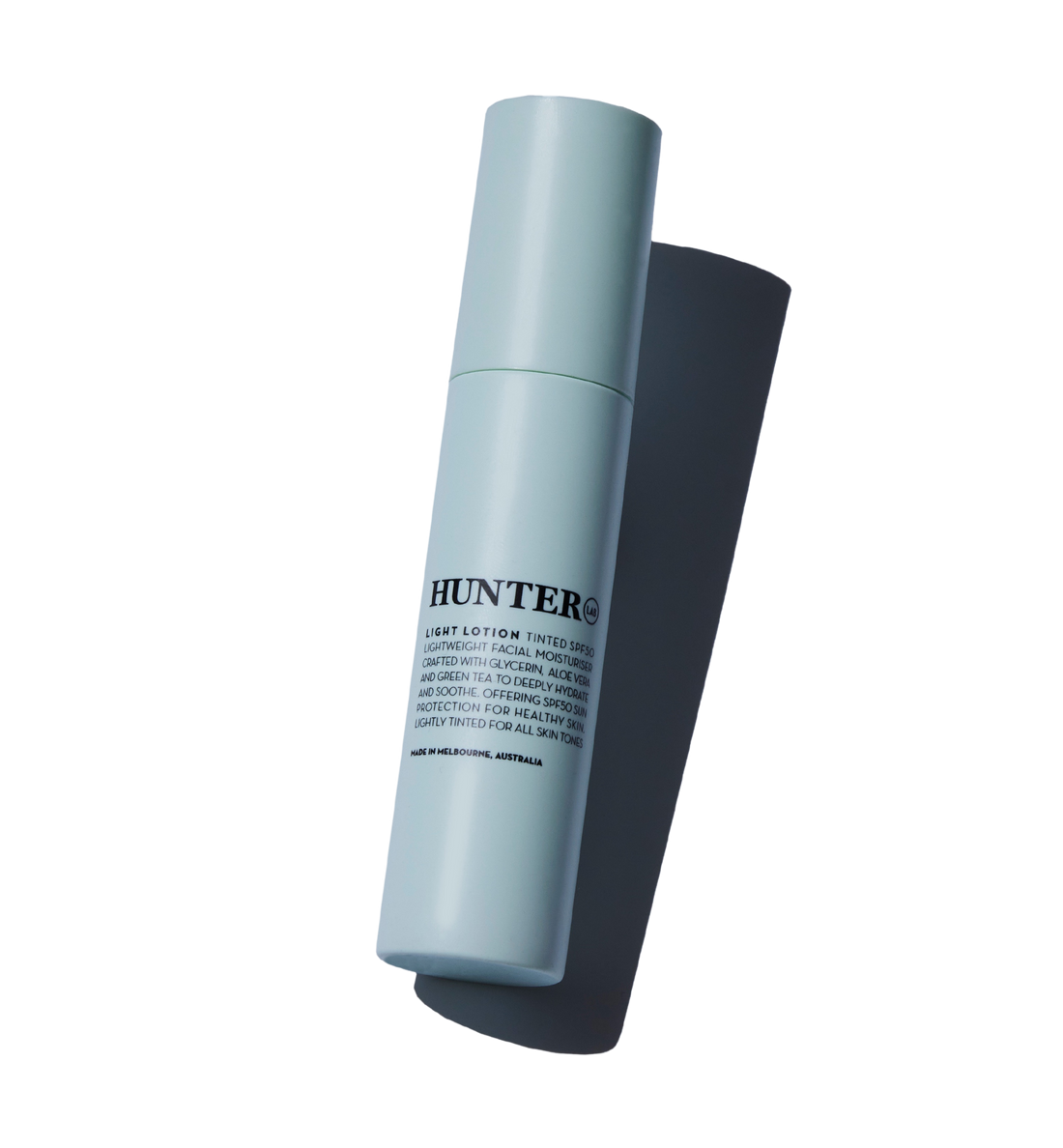
This is not optional in Australian conditions. Apply a broad-spectrum SPF 50+ to all exposed areas at least fifteen minutes before sun exposure. For the face, a formula that absorbs cleanly without pilling or heaviness in the heat is essential; a tinted SPF that doubles as a lightweight moisturiser and primer removes one step from the process. Reapply every two hours and immediately after swimming. Explore sunscreen for men and the Light Lotion Tinted SPF50: a 3-in-1 formula that hydrates, primes and protects in a single application.
3. Apply a lightweight moisturiser under SPF
Applying a lightweight moisturiser before SPF creates a hydrated base that helps the sunscreen sit more evenly and reduces the rate of transepidermal water loss during the session. In heat, keep it light; heavy creams can pill under sunscreen or feel uncomfortable in direct sun. Allow the moisturiser to absorb fully before applying SPF on top.
What to Pack in Your Beach Skincare Kit
Less is more. The right four products cover every skin need across a full beach day without turning the bag into a pharmacy.
- SPF 50+ face sunscreen: The non-negotiable. Broad-spectrum, water-resistant and comfortable enough to reapply throughout the day without feeling heavy or greasy. A tinted formula that doubles as a moisturiser reduces the number of products needed.
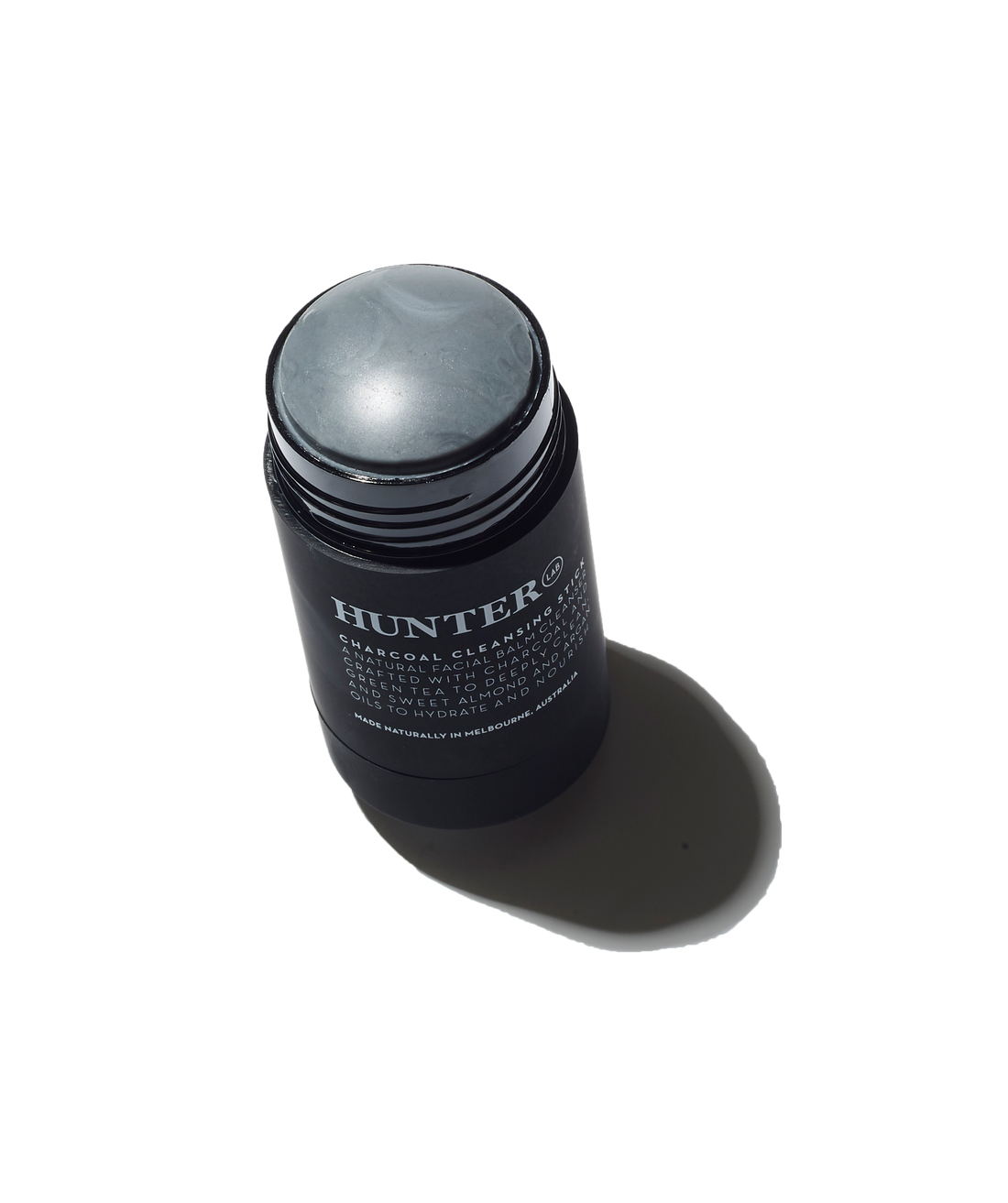
- Travel-size gentle cleanser: For a post-surf rinse and cleanse at the beach showers before the drive home. Removes salt and sunscreen residue without stripping the skin further. Prevents the buildup that leads to post-beach breakouts. Explore Charcoal Cleansing Stick.
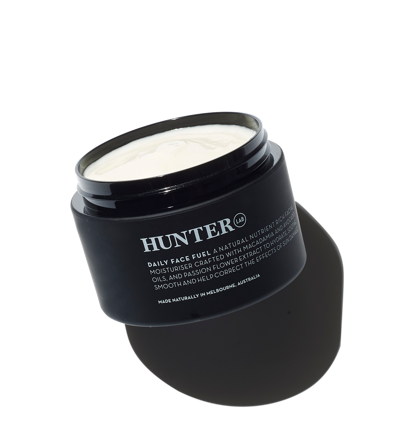
- Lightweight moisturiser: Apply immediately after cleansing while the skin is still damp. Compact and fast-absorbing; one that can be applied quickly at the car or beach showers makes the post-beach step actually happen rather than getting skipped. Explore Daily Face Fuel.
- Lip balm with SPF: Lips have no melanin and no sebaceous glands; they are among the most UV-vulnerable areas on the face and the most consistently forgotten. An SPF lip balm takes up no meaningful space and addresses a real gap in most beach routines.
Explore the men's skincare collection to build a complete beach kit from high-performance naturally derived formulations.
Frequently Asked Questions
Is saltwater actually good or bad for your skin?
The answer depends on duration and what happens after. Brief ocean exposure can have a mild cleansing effect and the magnesium in seawater has some evidence for supporting skin barrier function. However, extended saltwater exposure draws moisture out through osmosis, strips the skin's natural oil layer and compromises the barrier. Whether saltwater is net positive or negative for your skin comes down almost entirely to what you do after getting out of the water; a proper rinse, gentle cleanse and rehydration step turns a potentially damaging experience into a manageable one.
How soon after surfing should you cleanse your skin?
As soon as practically possible. The first priority is a fresh water rinse immediately after leaving the water; this removes the majority of salt residue and stops ongoing dehydration. A full gentle cleanse should follow as soon as access to a proper wash is available, ideally at the beach showers before the drive home rather than hours later. The longer salt and sunscreen residue remain on the skin the greater the risk of congestion and continued barrier disruption.
Can you use regular body wash on your face after a beach day?
Not recommended. Standard body washes are formulated for body skin which is less sensitive and less prone to congestion than facial skin. Using a body wash on the face, particularly on post-beach skin that is already dehydrated and barrier-compromised, strips the remaining natural oils and can contribute to dryness, irritation and breakouts. A gentle facial cleanser formulated to remove impurities without disrupting the skin barrier is a meaningfully better choice for post-beach facial cleansing.
Does saltwater cause or worsen breakouts?
Saltwater itself is not inherently comedogenic. The breakout risk comes from what is left behind when it dries; a combination of salt residue, sunscreen buildup, sweat and environmental debris that creates the conditions for congested pores. Acne-prone skin is more reactive to this buildup and more likely to break out after a beach day where the skin has not been properly cleansed and rehydrated. A thorough but gentle post-beach cleanse is the most effective step for reducing post-surf breakout frequency.
How often do you need to reapply SPF in the water?
Every two hours at minimum and immediately after any towel dry or prolonged time out of the water. Water-resistant sunscreens maintain their SPF rating for a defined period of water immersion, typically forty to eighty minutes depending on the product, but this resets after towelling off or significant sweating. In Australian conditions where UV levels are among the highest in the world, reapplication is not optional; it is the step that determines whether the SPF you applied in the morning is actually doing anything by midday.